 Pokerzin
You raised before the flop, someone called and the flop missed you completely. Now what? Most of the time, the right play is to bet again. That bet has a name: the continuation bet, or c-bet. It is one of the most common plays in poker and one of the first worth understanding well, both to make and to face.
What a c-bet is
A c-bet is a flop bet made by the player who put in the last raise before the flop. You "continue" the story you started preflop: the raiser showed strength, and betting again keeps that story going, whether you hit the flop or not.
It works because of a simple number: two unpaired cards miss the flop (don't even make a pair) about two thirds of the time, as the guide on poker odds shows. If your opponent missed, they often fold, and you take the pot without showing anything.
Good flops to bet
The c-bet works best when the flop fits the raiser's hands better than the caller's:
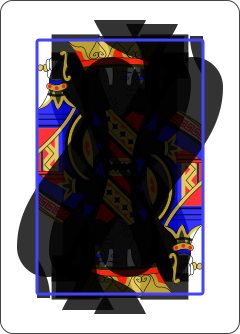

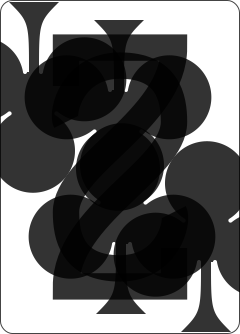



- Dry flops, with one high card and no straight or flush draws, like K-7-2 in different suits. The raiser has many more Aces and Kings than the caller, and the opponent almost never has anything good here.
- Flops with an Ace or King: they scare players who called with middle pairs and hands like suited 9-8.
- Paired flops, like Q-Q-4: it is hard for anyone to have the Queen, and your bet tells a believable story.
When not to bet
- Low, wet flops, like 9-8-7 with two hearts. They hit the caller's hands hard (middle pairs, connectors) and barely touch your AK.
- Against several opponents. One player misses the flop two thirds of the time; with three, someone almost always hit something. Against more than one, bet only with hands that have value or good draws.
- Against players who never fold. If your opponent calls any bet, a bluff c-bet just throws chips away. Against them, bet when you have a hand. The guide on types of poker players helps you spot this profile.
- Out of position with a medium hand. Checking a weak pair and seeing what your opponent does often earns more than betting and facing a raise.
What size to use
| Situation | Size | Why |
|---|---|---|
| Dry flop, one opponent | 1/4 to 1/3 pot | They fold most hands anyway; betting small risks little |
| Wet flop, with a good hand | 2/3 to 3/4 pot | Charges straight and flush draws a high price |
| Very strong hand on a dry flop | 1/3 to 1/2 pot | Lets the opponent call with worse hands |
A one-third pot bet only needs to work 25% of the time to show an immediate profit, even with no hand at all. For that math, see the guide on bet sizing.
And on the turn?
Betting the turn after a c-bet is called a second barrel. Be more selective here: whoever called the flop has something or some draw. Keep going when the turn improves your hand, gives you a draw or is a card that scares your opponent (a high card, for example). If the turn is a low card that changes nothing, giving up on the bluff is often best.
How to face a c-bet
If you call lots of raises before the flop and fold every time you miss, opponents will bet into you every time. To avoid being exploited:
- call small c-bets with hands that have some value, like low pairs and draws;
- now and then raise a c-bet on flops that fit your hands (9-8-7, for example);
- in position, call more: you see what your opponent does on the turn before deciding.
Summary: bet again on dry, high-card flops with a small bet; give up on low, wet flops and against several opponents; and, on the other side, don't fold every time you miss the flop.