 Pokerzin
The bluff is the most famous part of poker and the most misunderstood. Bluffing isn't keeping a straight face and shoving with nothing. A good bluff is a bet that tells a story that makes sense, against the right opponent, at a moment when they have reasons to believe it.
Why bluffing works
A hand can end in two ways: at showdown, when the best hand wins, or before it, when everyone but one player folds. The bluff uses the second path. You don't need the best hand. You need your opponent to think it isn't worth paying to find out.
The math is the mirror image of pot odds. If you bet half the pot, the bluff pays off if your opponent folds more than a third of the time. If you bet the whole pot, you need them to fold more than half the time.
The best moments to bluff
- Against few opponents. Against one, they just need to fold. Against three, all three need to fold.
- When your story makes sense. If you raised before the flop and the board came Ace, King and a low card, it's natural that you hit. A bet there is believable.
- When the card is scary. The third card of a suit or a card that completes a straight changes the board. Whoever had a pair gets nervous.
- In position. When your opponent checks to you, they have shown weakness. A bet often takes the pot.
- When you have a tight image. If you've only played good hands so far, your bets earn respect.
The semi-bluff: a bluff with a plan B
A semi-bluff is betting with a hand that isn't winning yet but can improve. It wins in two ways: your opponent folds right away, or they call and you complete your hand later.
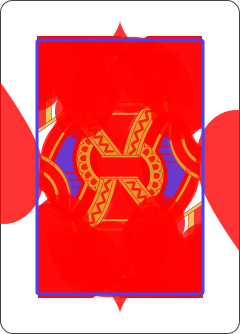

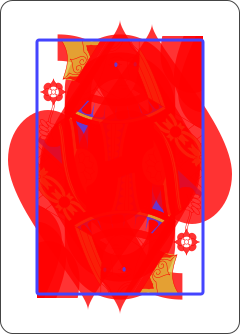

Here you have a flush draw (9 outs) and a straight draw (any 8 or K, adding 6 outs that aren't hearts). With 15 outs, you're even a slight favorite against a pair if you go to the river. Betting now can take the pot, and if it doesn't, you still have plenty of cards to win.
When not to bluff
- Against players who call everything. Some players never fold a pair. Against them, bet only when you have the hand.
- With many players in the pot. The chance that someone has something and won't let go goes way up.
- When the story doesn't add up. If you just called every street and suddenly go all-in when no dangerous card came, your opponent will be suspicious.
- To win chips back. Bluffing because you lost the last few hands is the fastest way to lose more.
- When your opponent is already committed. If they have put a big part of their chips in the pot, folding is too expensive for them.
Bluff size
A bluff should be the same size you would use with a strong hand in the same spot. If you bet small with good hands and big when you bluff, an attentive opponent will spot the pattern. More in How much to bet.
A bluff that fails isn't, by itself, a mistake. If it would work most of the time against that opponent, it was a good play. Judge the decisions, not the result of a single hand.